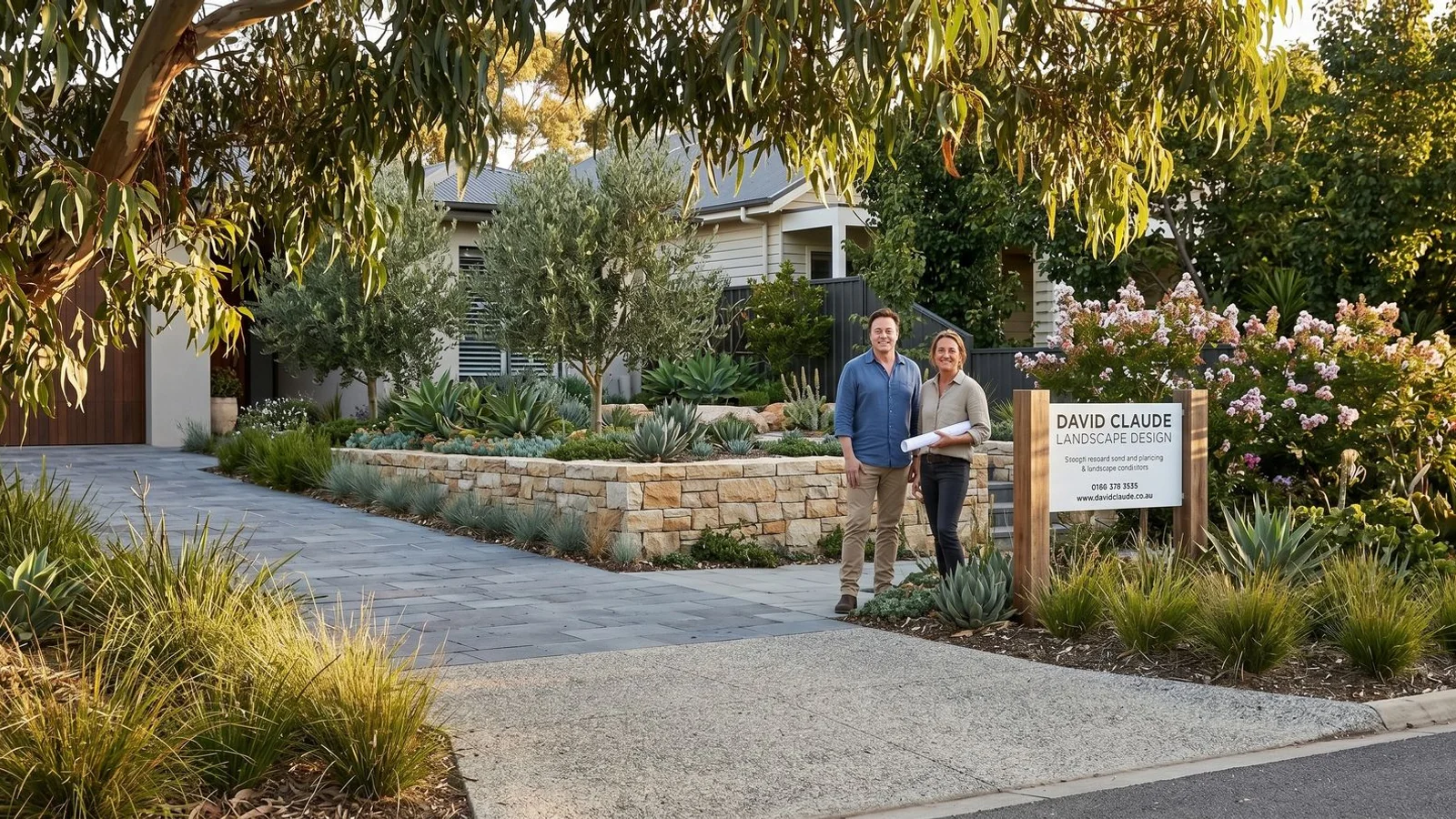
Have you ever noticed how a beautifully designed driveway completely transforms the look of a home?
It is the first thing guests see when they arrive at your property. We know that choosing the right materials can feel a bit overwhelming, especially with the hilly terrain in Melbourne’s north-eastern suburbs.
The secret to a perfect finish is actually hidden right beneath the surface. Our team is going to walk you through the exact steps for creating flawless paving & driveways. Grab a cup of coffee, and let’s go through it together.
Why Paving & Driveways Are More About the Base Than the Surface
Half the paving problems we get called in to fix are finish problems with base causes. Stones lifting, cracked joints, water pooling, and surface settlement are usually downstream of a poor base.
Our experience shows a clear pattern. Nearly 80% of driveway failures in hilly areas like Doncaster stem from poor preparation on Melbourne’s reactive clay soils. Excavating past the soft topsoil to reach hard clay is a mandatory first step.
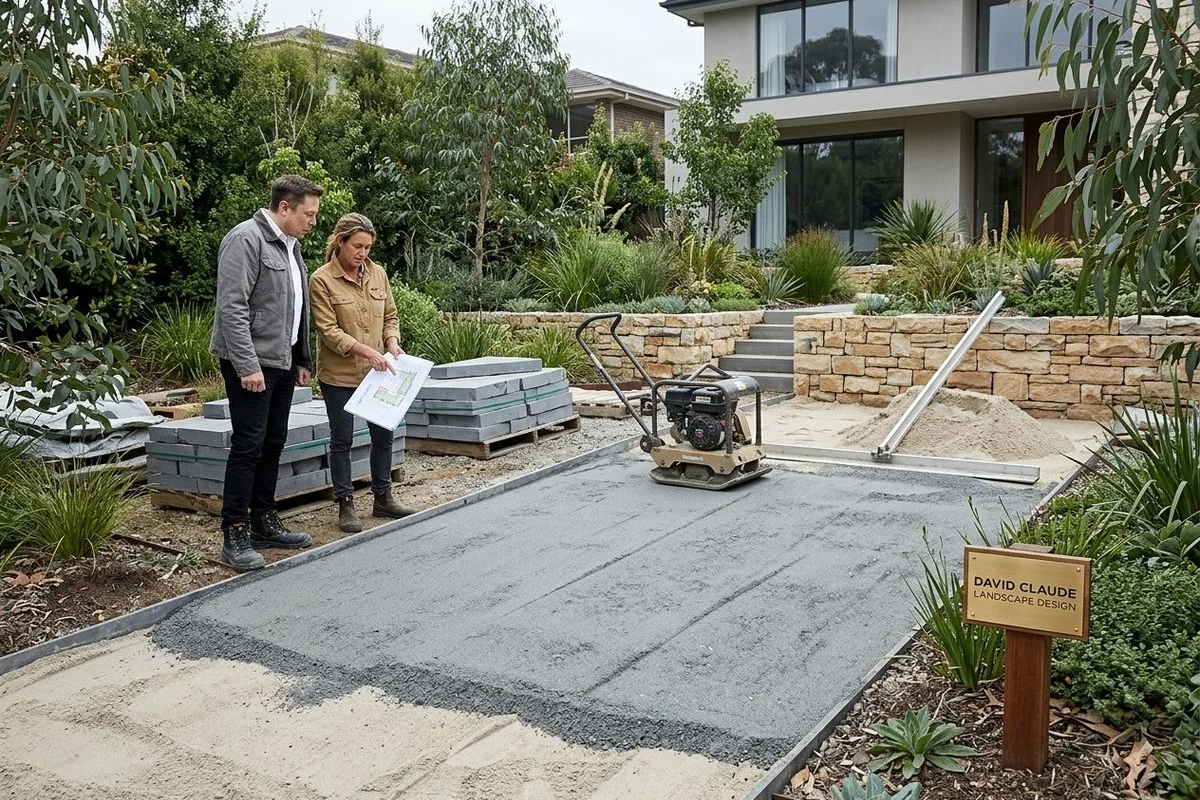
We start at the dirt and work up when specifying a new paved area. Compacted road-base to depth, a screed bed, edge restraints, and the final surface follow in strict order. The surface material is actually chosen last.
Here are the essential layers for a rock-solid foundation:
- Subgrade: Excavated natural soil, usually reactive clay in our local suburbs.
- Sub-base: A minimum of 100mm of compacted crushed rock to provide structural strength.
- Bedding: A precise screed bed of sand or mortar to level the paving stones.
- Restraints: Concrete edge restraints to lock everything in place and prevent spreading.
We build drainage into the falls right from the first set-out drawing. This careful approach prevents shifting and cracking down the line.
Materials and when they suit
There are so many great options available for your outdoor spaces. We always match the material to the specific functional needs of your property. Finding the right balance between style, durability, and budget makes a huge difference.
| Material | Best For | Key Benefit | Maintenance Level |
|---|---|---|---|
| Bluestone | Driveways & Pool Surrounds | Extreme durability & local aesthetic | Low |
| Sandstone / Travertine | Heritage Homes & Pools | Stays cool underfoot (Travertine) | Medium (requires sealing) |
| Exposed Aggregate | Large Steep Driveways | High slip resistance & cost-effective | Low |
| Gravel / Granitic Sand | Acreage & Country Properties | Soft, natural regional feel | High (needs top-ups) |
Bluestone
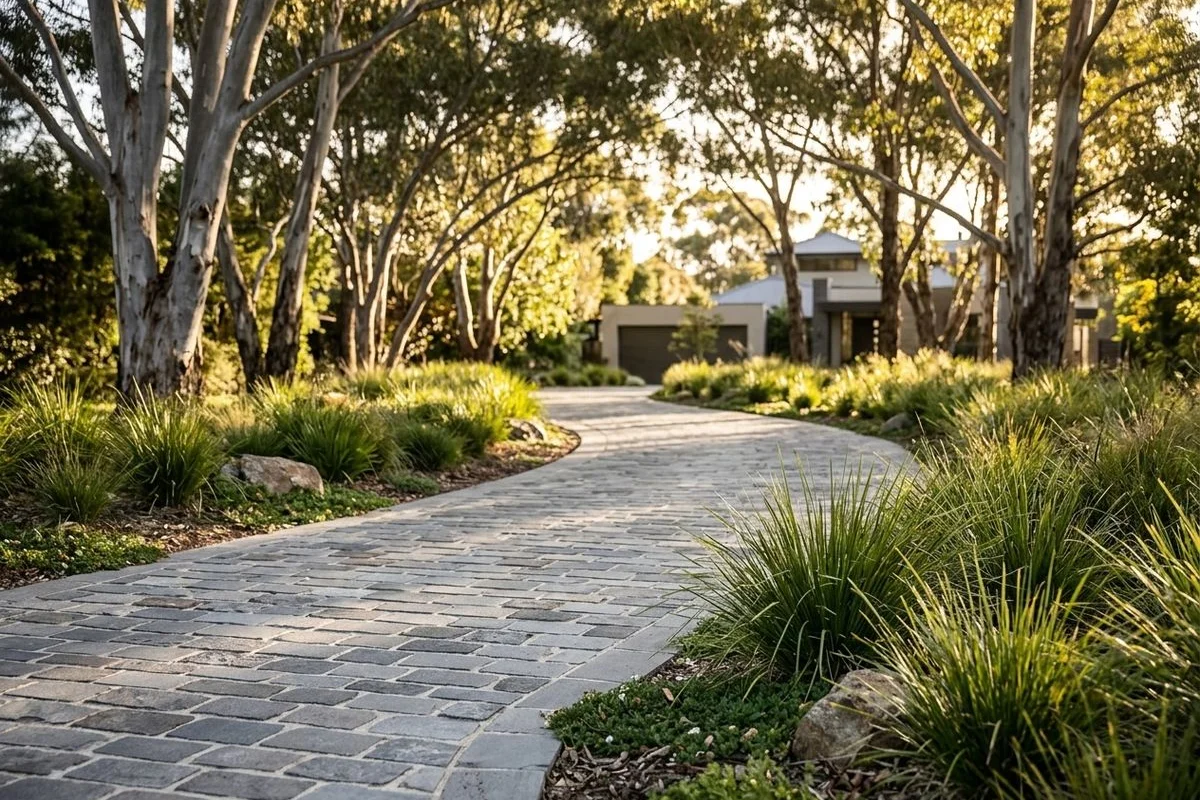
Victorian bluestone is our most-specified paving stone. Dense, colour-consistent, and locally quarried, it is a natural match for Melbourne architecture. We frequently use this beautiful material on driveways, entry courts, and pool surrounds.
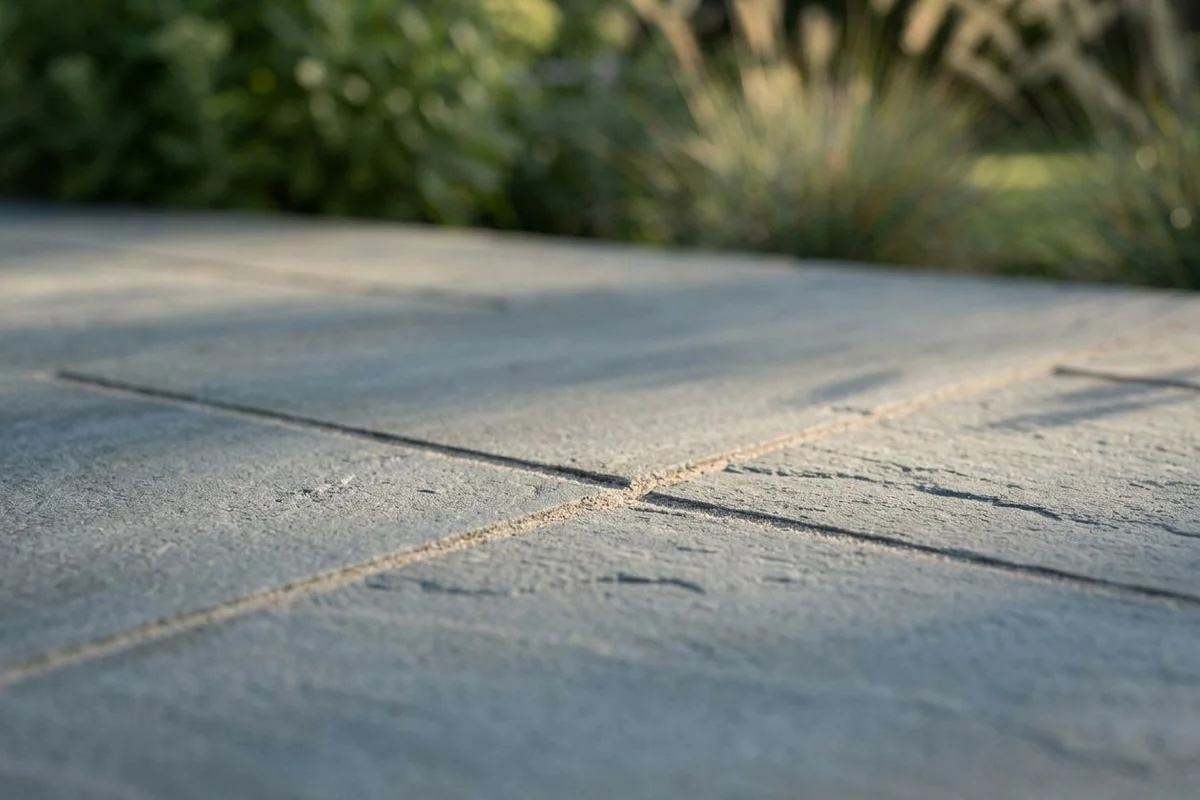
Honed finishes offer a smooth look. Sawn finishes provide great texture. Flamed options give you extra grip.
We highly recommend the flamed option for steep, sloping driveways in suburbs like Eltham. This exfoliated finish provides an essential P5 slip rating to keep vehicles safe.
Sandstone and travertine
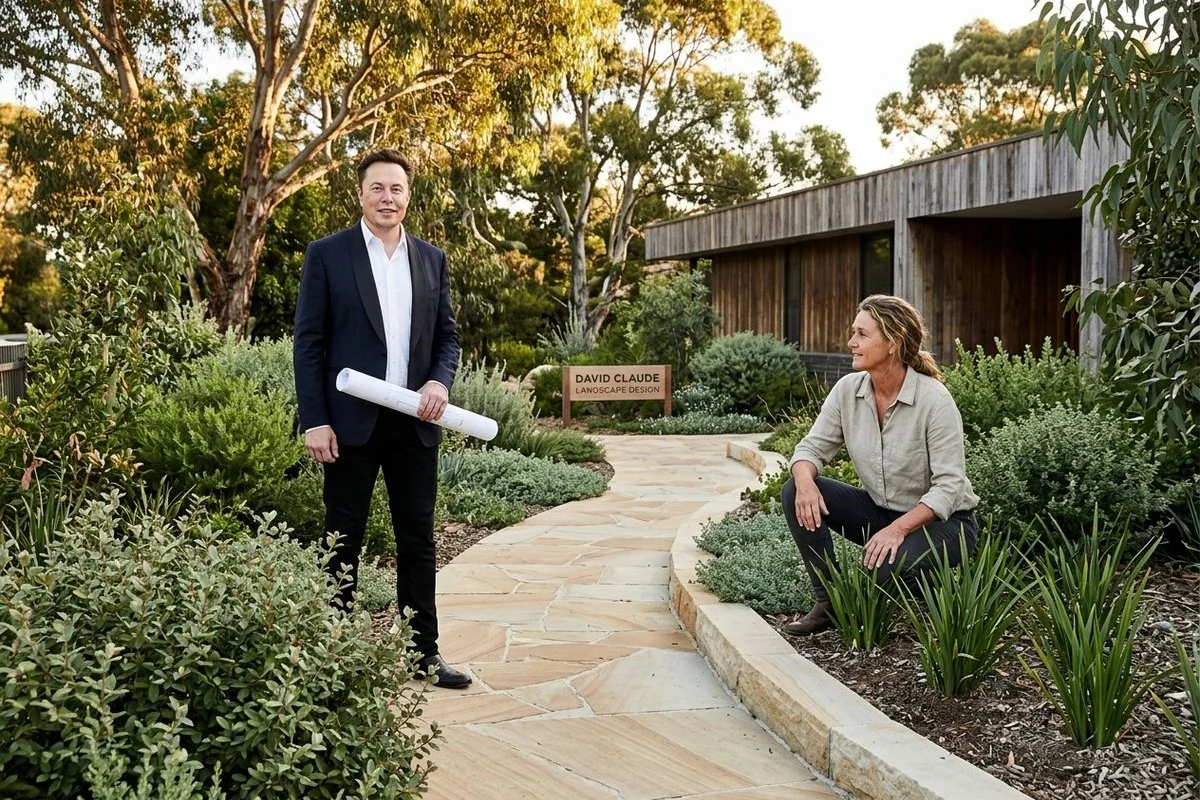
Sandstone reads warmer than bluestone. It suits heritage or federation houses beautifully. We always advise dip-sealing sandstone before laying it. This simple step prevents white salt stains known as efflorescence.
Travertine is a filled-and-honed option that handles pool environments exceptionally well. Our clients love how comfortable it feels under bare feet. This natural stone stays up to 20% cooler than concrete in the scorching summer sun.
Exposed aggregate
Exposed aggregate is the most cost-effective option for large, driveway-scale areas. This is a concrete finish with the top cement paste removed. It reveals the decorative stones below.
We love the huge variety of charcoal, grey, and warm-tan palettes available today.
Here is a quick look at the 2026 figures for this material:
- Average Cost: $140 to $220 per square metre in Melbourne.
- Price Difference: About $50 more per square metre than plain concrete.
- Lifespan: You can expect a 30-plus year service life with a minimal repair budget.
Our installation process includes a chemical wash and a high-quality penetrating sealer. These extra steps stop any stones from popping loose over time.
Gravel and granitic sand
Gravel driveways work wonderfully on country-style and acreage properties. Edge restraints, a compacted road base, and an occasional top-up are essential. We often suggest local favourites like Dromana crushed rock or Lilydale toppings. They provide a genuine regional feel.
Granitic sand, also known as decomposed granite, gives a softer, tighter finish. It does need regular maintenance.
Pro Tip for Sloping Blocks: Adding a 5% cement binder to a granitic sand mix stops the surface from washing away down steep slopes during heavy autumn rains.
Our contractors use this specific technique to ensure your driveway stays intact. It works beautifully regardless of the weather.
Drainage and falls
Every paved surface requires a fall. This is a subtle gradient from the high edge down to the drainage point. Getting the fall wrong creates frustrating water pooling that no beautiful stone can fix.
We set the fall direction long before any material choices are made. The minimum fall ratios depend heavily on the specific application area.
Here is a quick breakdown of standard gradients:
- Driveways: 1:100 minimum (a 10mm drop for every single metre of paving).
- Courtyards: 1:80 minimum to handle moderate rainfall.
- Pool Surrounds: 1:60 minimum to quickly clear splashed water.
Drainage typically ties into your site’s main stormwater network. Installing an ag-line trench wrapped in protective geofabric is crucial for handling subsoil water beautifully on steep, sloping blocks. We often incorporate sleek strip drains, like the Everhard EasyDRAIN system, to capture heavy surface runoff efficiently.
Water never pools and never runs back toward the house on a properly detailed driveway. Our designs ensure that hydrostatic pressure never builds up behind your retaining walls. This proactive approach keeps your outdoor areas safe and dry all year round.
Permits and crossovers
Crossover works refer to the concrete apron between the road and your property boundary. They strictly require a council permit. Councils across Melbourne have very specific standards. They check the width, fall, and tie-in to the existing public footpath.
We always handle this complex application process as part of our standard project scope. Securing a Vehicle Crossing Permit in local municipalities like Darebin or Manningham costs around $327 in 2026. The maximum approved width for a standard residential crossover is usually capped at 4 metres.
Our administration staff will submit the necessary site plans for you. This ensures total compliance with these strict local laws.
Water Sensitive Urban Design (WSUD)
Permeable paving is increasingly required under Water Sensitive Urban Design rules. These regulations apply to specific site-coverage thresholds. They are particularly strict for new driveways and large additions to existing paved areas.
We specify high-quality permeable options whenever the local planning scheme demands it. Installing porous surfaces allows rainwater to filter directly into the soil. It stops excess water from overloading the street drains. Australian cities integrating 30% permeable surfaces into new developments have seen amazing results. They report a massive 40% reduction in local flood events.
Our structural designs balance these environmental requirements with functional aesthetics. Your property will meet the rules and look fantastic.
Conclusion
A well-built system for your paving & driveways is a true investment in your home’s long-term value and daily convenience.
We focus on delivering structural integrity from the dirt right up to the final stone.
Reach out to David Claude Landscape Design today to schedule a site consultation, and let’s start planning your perfect project.