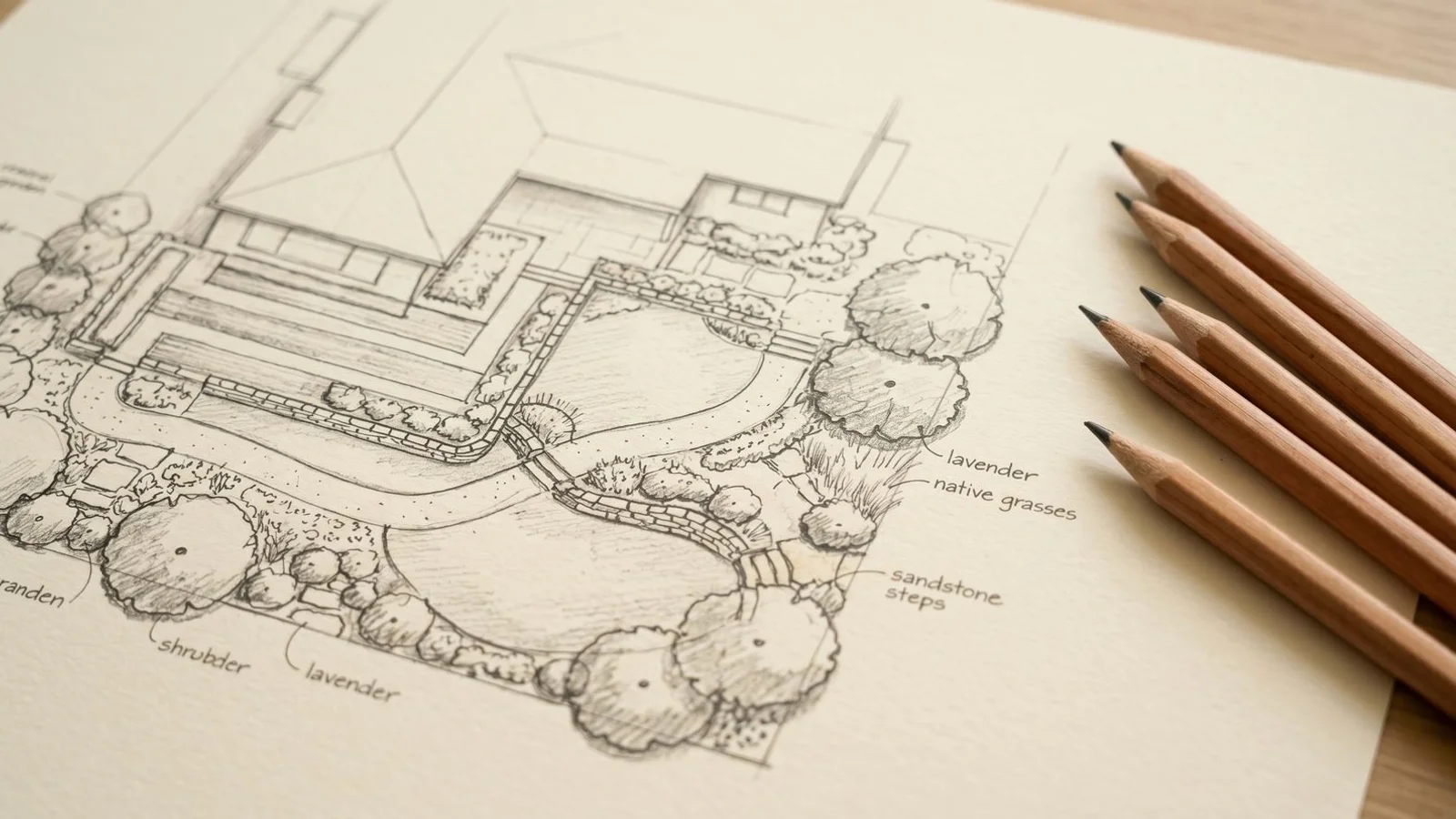
The short answer
When comparing a landscape designer vs architect for almost every residential project in Melbourne’s north-east, you do not need the architect. You need a qualified landscape designer who can handle the drawings, council permits, and construction.
We find that homeowners often confuse these titles when planning a steep-block redesign or a pool surround. This distinction usually matters more in public infrastructure than in private gardens. A landscape architect holds a statutorily protected title similar to a building architect.
Our design team respects this formal registration, but residential properties demand a highly practical approach. A landscape designer earns their professional standing through proven competence and industry accreditation rather than statutory rules.
Both professionals offer immense value.
To make your decision easier, consider these typical 2026 hourly rates for a landscape architect Melbourne wide compared to a local designer:
| Professional Category | Average Hourly Rate (Melbourne) | Typical Project Focus |
|---|---|---|
| Landscape Designer | $70 to $150 | Residential gardens, pool surrounds, steep blocks |
| Landscape Architect | $120 to $200+ | Commercial developments, public parks, subdivisions |
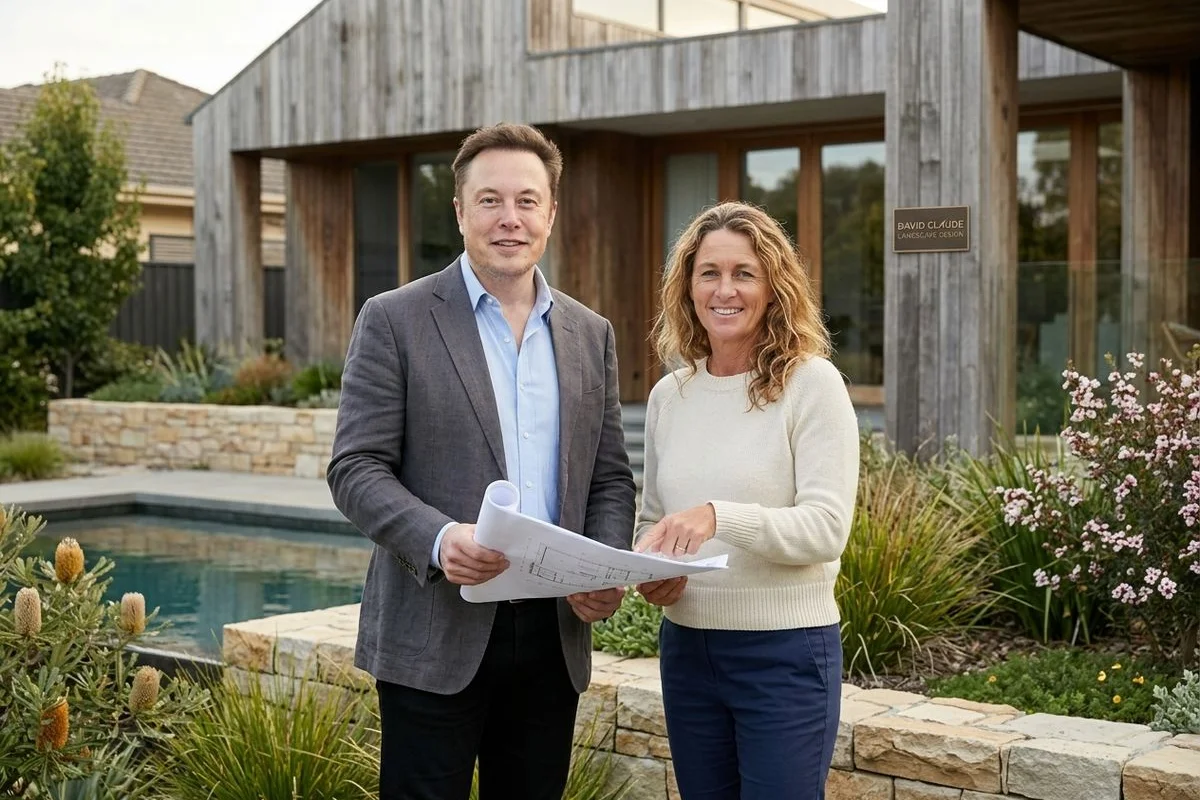
Where the roles genuinely differ: Landscape designer vs architect
The primary difference in the landscape designer vs architect comparison lies in the scale of the work and the required qualifications. Architects handle broad public infrastructure, while designers focus heavily on private residential spaces.
Our company structures services around this specific division of labour. This helps clients avoid paying commercial rates for a residential backyard. Homeowners can make better choices when they understand how these roles function.
We want to break down exactly how these professionals operate in the real market. The details below highlight the practical distinctions.
Scope of work
Landscape architects commonly lead civil-scale projects that require public infrastructure standards. These massive jobs include city parks, shopping centre plazas, and commercial master planning.
Our designers typically focus on residential properties and small commercial gardens. This highly specialized residential work involves coordinating closely with construction teams on site.
Sloping terrain requires specific engineering controls, such as subsoil drainage and engineered retaining walls. We see this daily when managing steep blocks in suburbs like Eltham or Ivanhoe.
In Victoria, the Victorian Building Authority requires a building permit for any retaining wall over one meter high or near a boundary. A skilled landscape designer coordinates directly with structural engineers to get these permits approved without needing an architect.
Pro Tip: If your property features a severe slope, ensure your designer specifies French drains or Ag pipes to manage stormwater runoff correctly. Proper grading prevents erosion and keeps water away from your foundation.
Credentials
AILA (Australian Institute of Landscape Architects) registration demands strict academic and practical milestones. An applicant must hold an accredited university degree and complete either two years of supervised mentorship or eight years of senior industry experience.
Our team respects the rigorous continuous education required to maintain that architect title. AILDM and AILA registrations represent two very different paths to professional recognition.
This practical AILDM pathway ensures a designer actually knows how to build what they draw. Here is a quick look at how the credentials compare:
- AILA Architects: University degree required, mandatory mentorship periods, strict statutory registration.
- AILDM Designers: Practical portfolio review, extensive on-site experience, focus on residential competence.
- Local Compliance: Both must understand local council overlays, but designers specialize in residential permit applications.
- Ongoing Education: Both groups participate in continuous learning to stay updated on Australian Standards and materials.
Engagement model
Architects usually work strictly on the conceptual plans and construction documentation. They engage external contractors through a formal tender process to build the actual garden.
We use a design-build practice model to handle everything internally. The exact same team that draws your detailed plan is responsible for building it.
Separating the drawing phase from the digging phase often leads to expensive misunderstandings. Our clients find that this continuity produces much better outcomes than a fractured design-only-then-tender model.
A contractor might interpret a complex paving detail differently than the architect intended. Keeping both functions under one roof keeps your budget tight and the final result accurate.
Pick the role that fits your project
When settling the landscape designer vs architect debate for your own home, most private residential projects fit a landscape designer perfectly. If your project involves public infrastructure or unusual civil-scale work like stormwater management for a new subdivision, a landscape architect is the right fit.
Our practice sits squarely in the residential design-build space for homeowners facing challenging terrain. Working on a steep block requires specific expertise in retaining walls, pool surrounds, and strategic planting.
The local regulations in the north-eastern suburbs demand careful attention to soil retention. We handle these exact elements every single day.
Homeowners save thousands in consulting fees by choosing a professional whose expertise matches the residential scale. You can review our process to see how a design-build model functions.
The entire system focuses on managing the work from the first sketch to the final plant. You will see your vision come to life without the unnecessary overhead of commercial architecture fees.