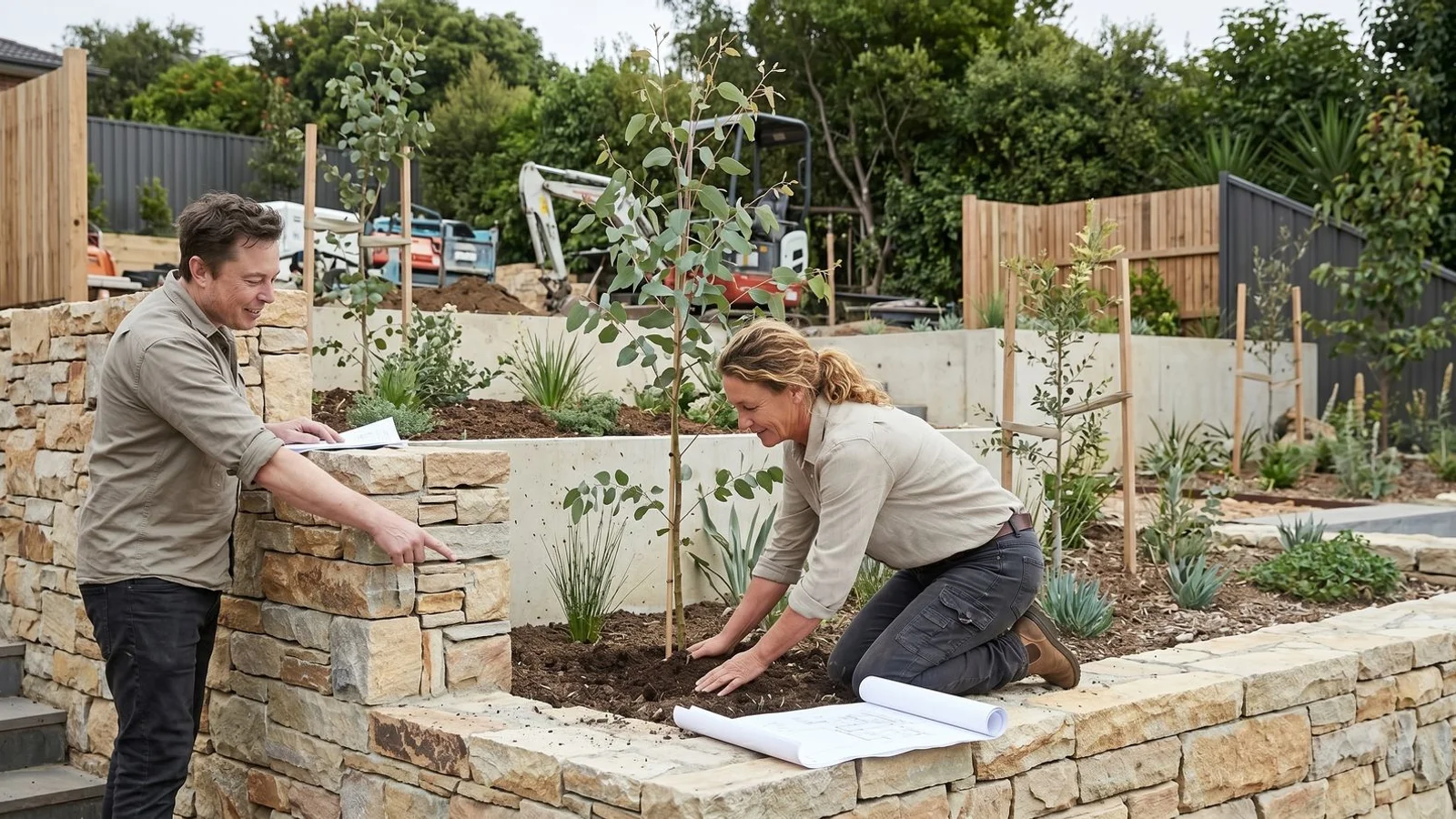
We at David Claude Landscape Design often speak with homeowners across Melbourne’s north-eastern suburbs who feel uncertain about scheduling a major garden overhaul. Managing steep terrain and reactive clay soil definitely makes your primary landscape project timeline in Melbourne a bit harder to predict.
Our initial data shows most full design-build projects here span four to nine months. That 16-to-36-week window separates a basic cosmetic update from a truly transformative, engineered landscape.
We want to share the practical context behind these timeframes so you can plan your life accordingly. This guide breaks down the five core stages of construction and provides a realistic roadmap for your upcoming transformation.
The process begins long before the first shovel hits the dirt.
The five stages and their typical durations
We track these durations closely to keep local projects running smoothly. Most full design-build landscape projects in Melbourne’s north-east take four to nine months from the first consultation to handover. That timeline breaks into five specific stages, each with its own distinct pace and requirements.
1. Consultation, week 1
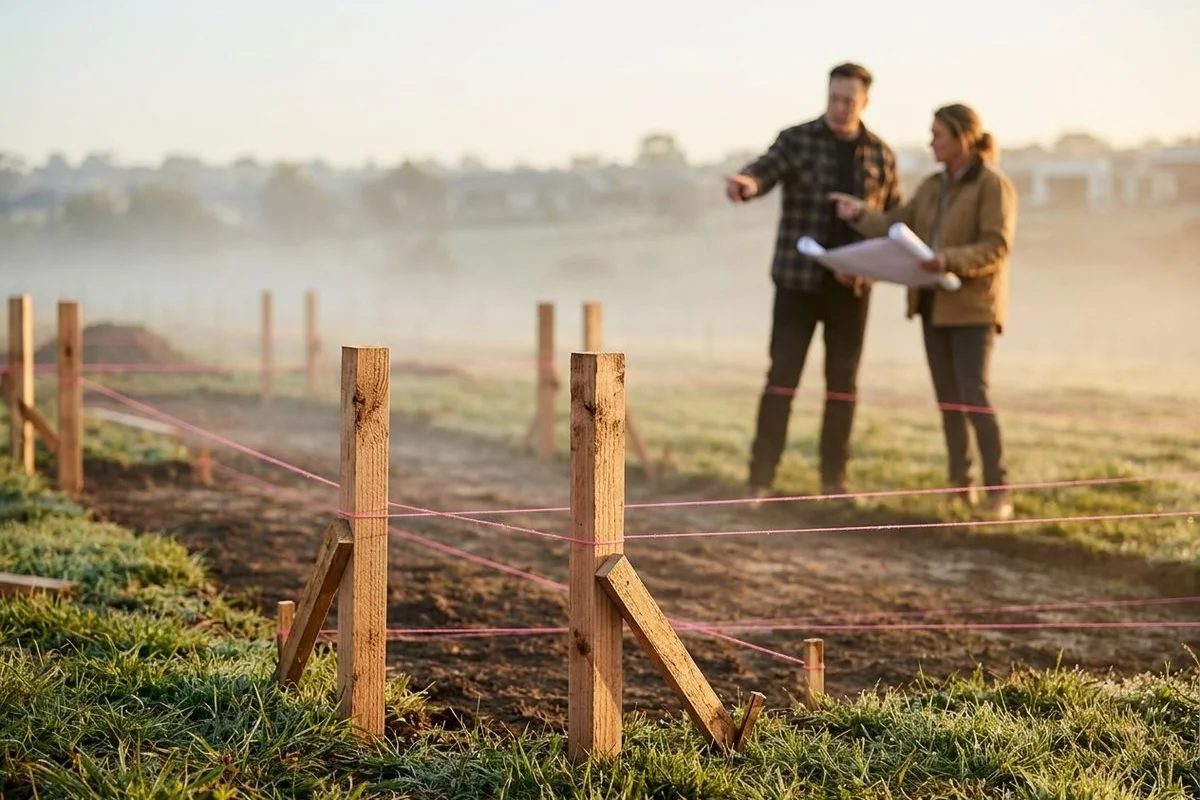
Our first site visit usually takes one or two hours on the block. Walking the property allows for a thorough assessment of levels, drainage, existing trees, and the house interface.
We leave with a solid mental picture of the project and a firm feel for the required scope. You leave this meeting with a realistic feasibility read.
Our team always looks for local council constraints right away, like the Vegetation Protection Overlay (VPO) common in Banyule and Nillumbik. Catching these overlay restrictions early prevents massive delays later.
We typically evaluate a few critical factors during this initial hour:
- Site accessibility for heavy machinery
- Existing soil conditions, specifically identifying reactive clay
- Problematic drainage zones requiring engineered solutions
- Mature trees that might require arborist reports
2. Concept design, weeks 2 to 6
We immediately commission a contour survey before developing concept plans. This ensures the design matches the physical reality of your block.
Our designers then guide you through two or three rounds of refinement regarding the layout, levels, and material direction. This phase requires careful thought about how you will actually use the space, focusing on:
- Entertaining areas and traffic flow
- Planting preferences and maintenance levels
- Material choices for paving and decking
We keep the landscape design timeline on track by modeling complex topography using 3D rendering software. By the end of this stage, you should see the project clearly in plan form.
We secure your agreement on the exact shape and function of what is being built. Locking in these design decisions now prevents costly mid-build changes.
3. Documentation, weeks 6 to 12
Our documentation phase involves generating precise construction drawings, planting plans, and structural details. Engineering becomes critical here, especially when retaining walls are required for steep slopes.
We prepare several key documents for your build:
- Detailed hardscape and planting maps
- Structural engineering certificates for retaining walls
- Fully costed material schedules
Recent 2026 data shows residential planning permits average about 155 calendar days for approval across metropolitan Melbourne. We lodge all necessary permit applications with your local council well in advance to account for these timelines.
The design locks in officially at this point, and execution preparation begins. Our strict planning ensures materials arrive exactly when the build team needs them.
4. Build, months 3 to 7
Site works, retaining walls, hardscaping, structures, and planting all happen in this heavy construction phase. We find most medium projects require three to four months of active building.
Larger or pool-integrated projects typically run for five to six months. Our crews often use steel-reinforced concrete sleeper retaining walls to handle the reactive clay soils typical in Melbourne’s north-east.
Concrete sleepers cost roughly $280 to $580 per square metre in 2026, but they prevent the warping and cracking common with timber. We closely monitor weather conditions, as heavy winter rain stops earthworks on clay sites for days at a time. Permit outcomes and material availability can also stretch this timeline by several weeks.
5. Handover and establishment, month 7 to 9
A comprehensive walk-through, care notes, and establishment-period support mark the final stage. We want your new plants to thrive, so we provide specific guidance on Victoria’s Permanent Water Saving Rules.
Sprinklers and watering systems can only run between 6 pm and 10 am to minimize evaporation. Our team checks in to ensure your drought-tolerant species settle properly through their first full season.
The project only finishes completely once the root systems establish themselves in the soil. We consider this support period vital for long-term garden health.
By project size
The scope of your specific renovation dictates the overall duration. We categorise projects into four main tiers to provide accurate expectations. A clear understanding of your garden renovation timeline helps secure accurate funding and schedule personal commitments.
Our management team uses this baseline table to estimate your schedule:
| Project Scope | Typical Features | Estimated Duration |
|---|---|---|
| Small refresh | Courtyard updates, simple entry garden facelifts | 2-4 months total |
| Medium suburban project | New decking, paving, moderate planting schemes | 4-6 months total |
| Pool-integrated design-build | Custom pool installation, extensive hardscaping | 6-8 months total |
| Acreage or steep block | Extensive retaining walls, complex engineering | 8-12 months total |
Unforeseen underground issues, like hidden rock shelves, can easily add a week to the schedule. We always add a contingency buffer to account for these surprises.
Seasonal factors
Late autumn and early spring serve as the prime planting windows in Victoria. We recommend these seasons because the soil is warm enough for establishment, and consistent rain helps young roots.
Summer plantings remain possible if you have reliable, compliant irrigation installed. Our schedules account for heavy winter rain, which stops earthworks on clay sites for days at a time.
This weather disruption explains why winter-heavy builds take significantly longer than summer ones of the exact same scope. We monitor two main seasonal risks:
- Extended winter downpours creating unworkable mud
- Summer heatwaves stressing newly established plants
Reading What each stage actually involves covers the client experience in more detail. We invite you to contact our office today to schedule your initial site visit.