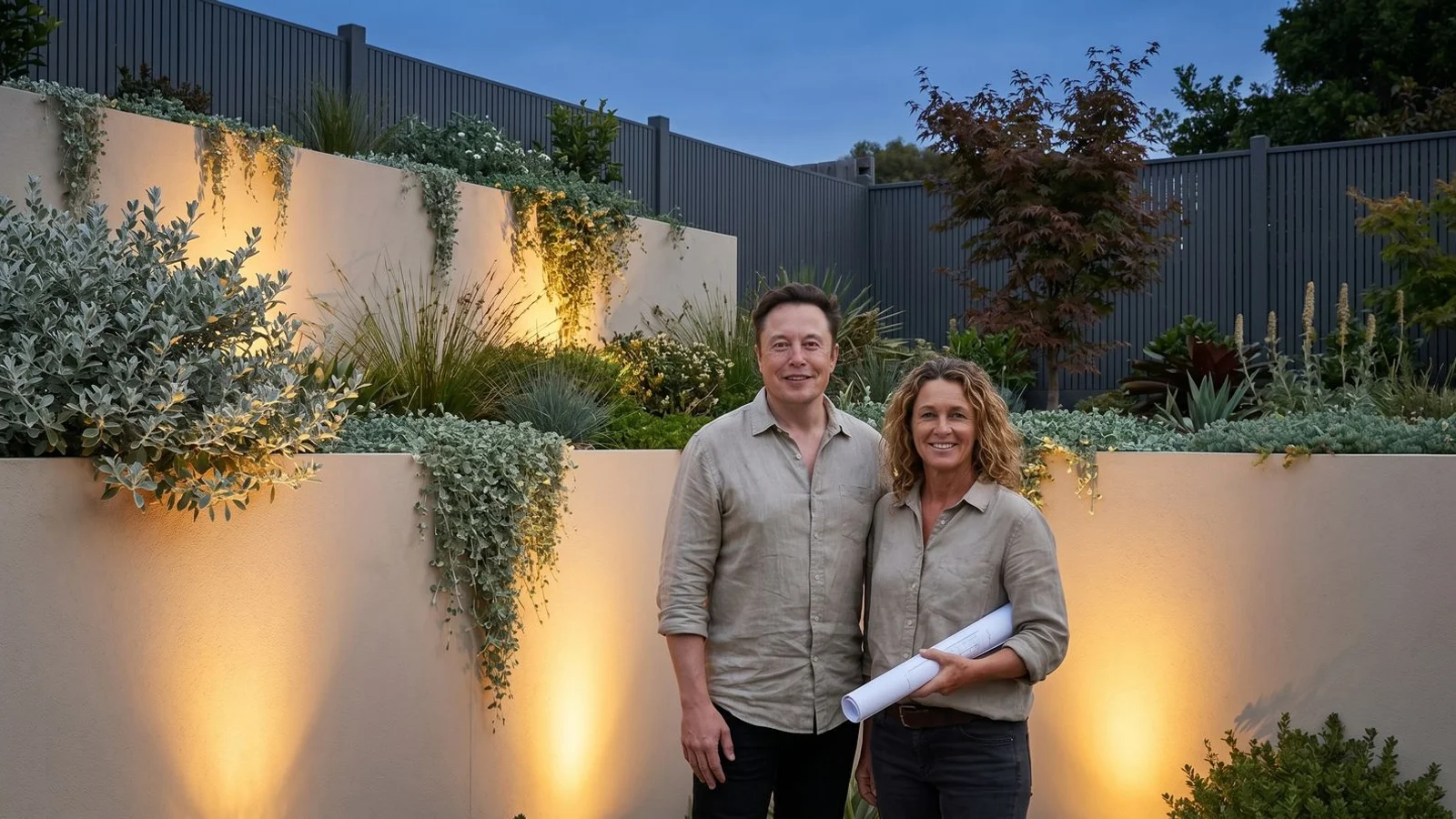
We constantly see beautiful Melbourne homes let down by bare, utilitarian landscaping walls. Treating a visible retaining wall as just another structural hurdle is a missed opportunity. Upgrading your finish usually costs only 30 to 40 percent more than building standard concrete sleeper walls.
Our team at David Claude Landscape Design knows that moving from basic timber to a finished masonry wall completely changes the feel of an outdoor space. Investing in proper landscaping with terraced retaining walls can increase a property’s overall value by up to 15 percent, according to recent real estate data. Buyers in competitive suburbs like Eltham and Hawthorn expect premium hardscaping.
We will break down your primary finish options in this guide. The right material choices and integrated features will help you maximize your landscaping investment.
Why finish matters on visible walls
We believe the finish you choose turns a basic structural retaining wall into a premium decorative feature. A raw, unfinished wall might hold back the earth, but it rarely adds aesthetic appeal to your garden. High-end finishes directly boost your property’s street appeal and create usable entertaining areas.
Our preferred approach factors in three main reasons to upgrade your wall finish.
- Instant curb appeal: A sleek finish turns a structural necessity into an architectural feature.
- Long-term durability: Proper cladding protects the core blocks from Melbourne’s harsh weather.
- Higher property valuation: Finished masonry strongly appeals to buyers looking for a low-maintenance lifestyle.
Proper drainage behind any decorative wall remains the most critical factor for long-term survival. Using excavated clay soil for backfill traps water and creates severe hydrostatic pressure.
We always install a 4-inch perforated agricultural pipe wrapped in geotextile fabric to prevent this pressure from cracking your beautiful new render. This simple step saves thousands of dollars in future repair costs. The gravel backfill must be washed and angular to ensure water flows freely to the drain pipe.
Finish options
Our designers offer several distinct finishes to suit different architectural styles and budgets. The right choice depends heavily on your home’s era. Maintenance expectations also play a large role in the final decision.
Acrylic render
We frequently recommend acrylic render because it provides a highly flexible, weather-resistant coating over standard concrete blocks. This modern finish handles minor substrate movement exceptionally well without cracking. Premium products from brands like Dulux AcraTex give you a life of 15 or more years before requiring any maintenance.
Our preferred colour palette includes charcoal, stone, and warm off-white tones that suit contemporary designs. These lighter colours reflect the intense summer sun effectively. Expect to pay roughly $80 per square meter for this finish in the current 2026 market.
Traditional cement render
We use traditional cement render when a property requires a heavy, classic textured appearance. This material can be brush-textured, trowel-finished, or polished to match existing architectural details. Traditional mixtures have lower flexibility than modern acrylics.
Our applicators warn that Melbourne’s reactive clay soils can cause slight movement, making this render prone to hairline cracks. A cement-rendered wall typically needs repainting every 5 to 8 years to maintain its crisp appearance. The initial installation is quite cost-effective, usually priced between $30 and $50 per square meter.
| Render Type | Average Cost (Per Sqm) | Flexibility | Maintenance Cycle |
|---|---|---|---|
| Acrylic Render | $80 | High (Resists cracking) | 15 or more years |
| Traditional Cement | $30 to $50 | Low (Prone to hairline cracks) | 5 to 8 years |
Stone cladding
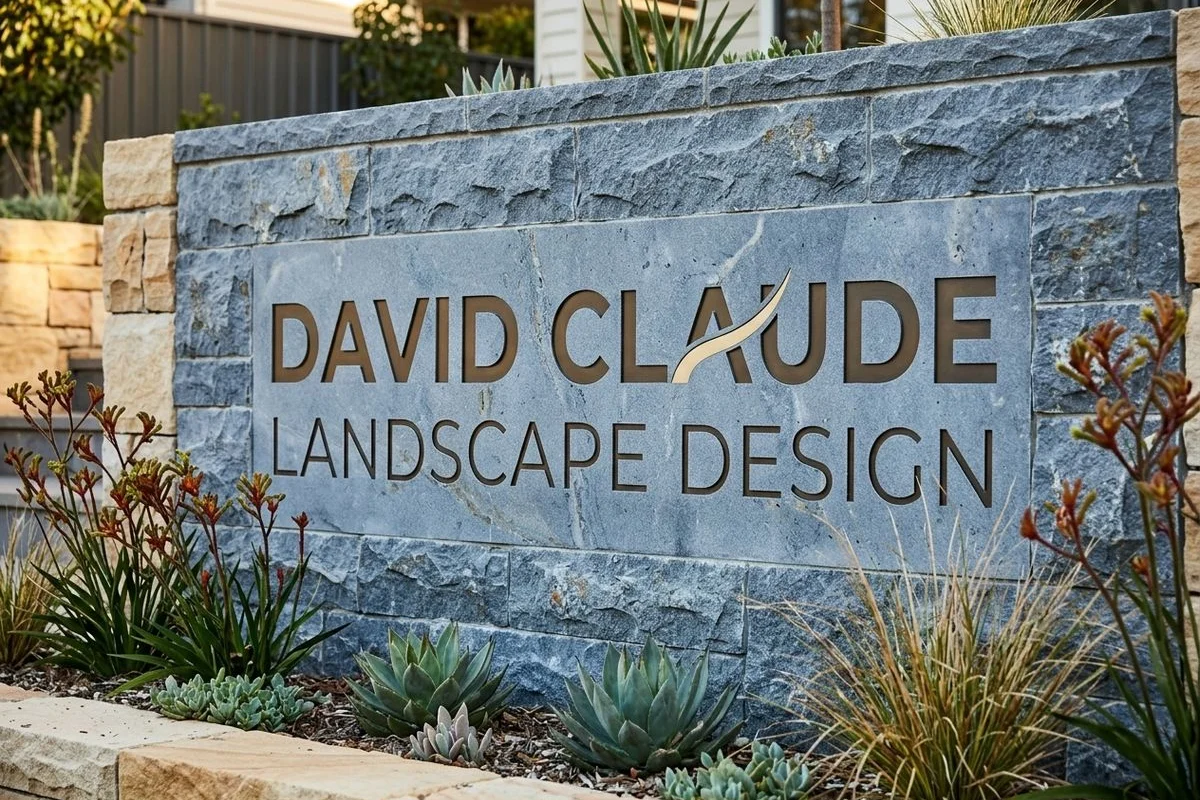
We love working with stone cladding because fixing natural rock to a structural core creates the illusion of a solid masonry wall. Materials like bluestone, basalt, sandstone, or manufactured stone veneers provide unmatched presence. This premium finish hides dirt and resists weather wear incredibly well over decades.
Our team frequently sources Victorian Bluestone from local suppliers for that quintessentially Melbourne aesthetic. Heavy stone pieces require premium architectural adhesives to remain securely fixed to the concrete blockwork. The initial material cost is higher, but the maintenance free lifespan makes it a brilliant long-term choice.
Exposed concrete
We cast exposed concrete walls in place using custom formwork to create a bold, modern architectural surface. The final appearance can be boardmarked, smooth, or heavily textured depending on the chosen molds. Australian construction standards refer to this highly uniform finish as a Class 2 off-form surface.
Our concrete crews ensure this specification limits surface imperfections like blowholes to under 5 percent of the total area. This stark approach looks incredible on contemporary properties where raw materials take center stage. Applying a high-quality clear penetrating sealer protects the porous concrete from water staining over time.
Integrated lighting
We strongly advise incorporating LED lighting directly into your wall design to create a spectacular focal point after dark. Installing fixtures during the initial construction phase is far more cost-effective than retrofitting them later. LED strip lighting hidden in a chase detail at the top or base creates a beautiful ambient glow.
Our electricians integrate all the necessary 12V power conduits right into the core blockwork. Low-voltage systems with an IP65 waterproof rating provide the best durability for outdoor applications. Trusted local brands like Gardens at Night offer fixtures that easily withstand Melbourne’s wet weather.
- Accent uplighting: Placing small spotlights at the base highlights the rough texture of stone cladding.
- Under-cap strip lighting: Hiding a light strip under the overhanging lip illuminates the walkway below safely.
- Step illumination: Building small recessed lights into integrated stairs prevents tripping hazards at night.
Planting pockets
We design custom planting pockets directly into the face of rendered walls to soften the heavy masonry. These recessed shelves or seam gaps hold enough soil to support hardy trailing greenery. Creeping rosemary, prostrate grevillea, and the native Dichondra repens drape beautifully from these vertical spaces.
Our horticulture team ensures each pocket has its own small drainage outlet to prevent waterlogging. Root rot is a common issue if water cannot escape after heavy rain. Running a dedicated drip irrigation line inside the pocket guarantees the plants survive hot summer weeks.
We know that choosing the right finish for your retaining wall completely transforms your outdoor living space. A well-designed structural wall is a lasting investment that brings order, beauty, and function to a sloping block. The right decorative surface turns an engineering necessity into your garden’s best feature.
Our team is ready to help you plan the perfect structural features for your specific terrain. You can explore more options and see a full range of structural solutions through the link below.
For the broader retaining walls service, which includes all finish types as part of design.